Get Sewer Line Cleaning
Sewer line cleaning services help property owners remove blockages, clear clogs, and maintain proper drainage through pipe snaking, hydro jetting, and inspection projects.
Property owners in the area who are experiencing slow drains, recurring backups, or foul odors may find sewer line cleaning services to be a practical solution. Regular maintenance can help prevent more serious issues down the line, ensuring the plumbing system functions smoothly. Exploring options from local contractors allows homeowners and property managers to compare approaches and find the right service provider to meet their specific needs.
Whether planning routine upkeep or addressing an unexpected problem, understanding the available local sewer line cleaning services can make a difference. By reviewing reputable service providers in the area, property owners can make informed decisions and connect with professionals equipped to handle the job efficiently. Keep reading to discover how local contractors can support your property’s plumbing health.
- Clogged Sewer Lines - when wastewater flow is obstructed, causing backups and foul odors.
- Slow Draining Fixtures - when sinks, tubs, or toilets drain slowly due to buildup or blockages.
- Recurring Sewer Odors - when unpleasant smells persist in the home, indicating possible line issues.
- Sewer Line Damage - when cracks or collapses in pipes threaten proper drainage and sanitation.
- Recent Tree Root Intrusion - when roots infiltrate sewer lines, leading to blockages and potential damage.
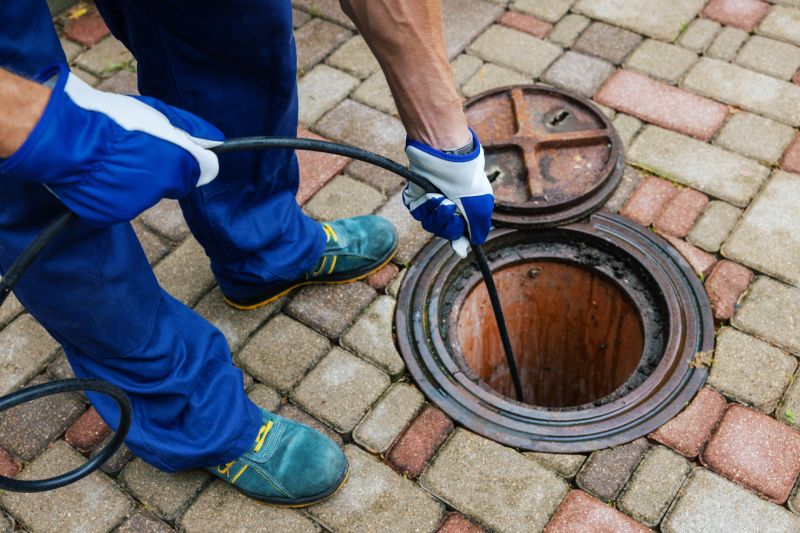
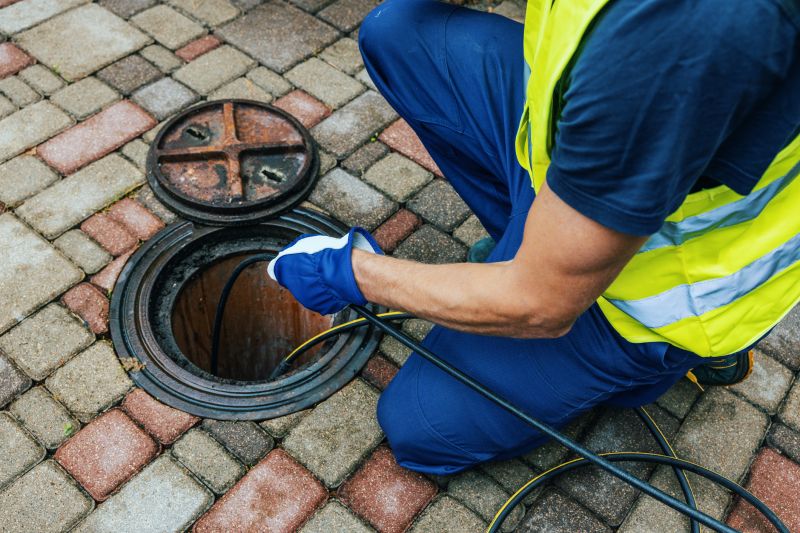
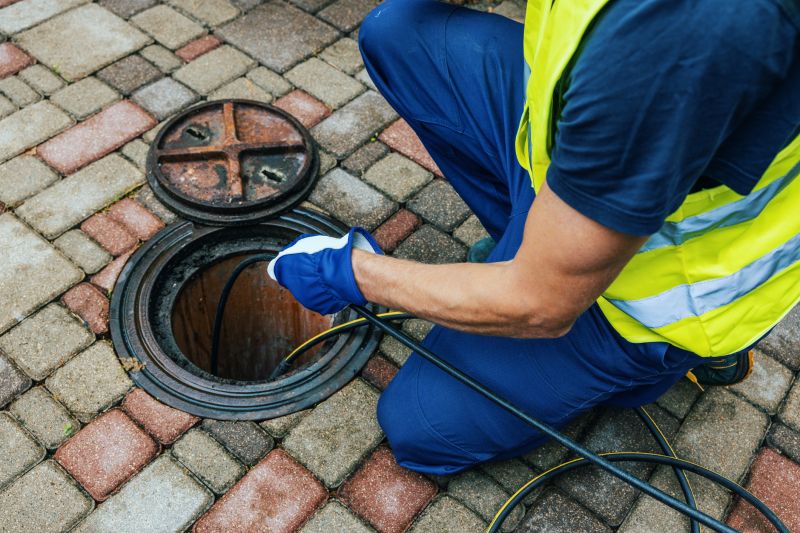
Sewer line cleaning services involve the removal of blockages, debris, and buildup within the main sewer lines that connect a property’s plumbing to the municipal system. Using specialized equipment such as high-pressure water jetters or augers, service providers can clear out obstructions that cause slow drains, backups, or foul odors. Regular cleaning can help maintain the proper flow of wastewater, preventing minor issues from escalating into more serious plumbing problems. This service is essential for ensuring that the entire plumbing system functions smoothly and reduces the risk of costly repairs caused by neglected sewer lines.
Many common problems can signal the need for sewer line cleaning. These include persistent drain clogs that affect multiple fixtures, foul smells emanating from drains, or sewage backups in sinks, toilets, or basement drains. Additionally, the presence of lush patches of grass or unusually healthy vegetation over the sewer line may indicate a leak or seepage. Over time, grease, sanitary products, tree roots, and other debris can accumulate inside the pipes, restricting flow and increasing the likelihood of blockages. Addressing these issues promptly with professional sewer line cleaning can help avoid more extensive damage and costly repairs.
Properties that typically require sewer line cleaning include single-family homes, multi-unit residential buildings, commercial properties, and industrial facilities. Homes with older plumbing systems are often more prone to buildup and root intrusion, making regular cleaning a wise preventative measure. Commercial properties, especially restaurants and food service establishments, frequently experience grease buildup that can clog sewer lines. Additionally, properties with large trees nearby may be at higher risk of root intrusion, which can cause significant blockages. Local contractors can assess the specific needs of each property and recommend appropriate cleaning services to keep the sewer lines clear and functioning properly.
Homeowners should consider sewer line cleaning when experiencing ongoing drain issues or signs of sewer backups. It’s also advisable to schedule routine cleanings as part of regular plumbing maintenance, especially for older properties or those with trees nearby. By working with experienced local service providers, property owners can ensure that their sewer lines are thoroughly cleaned and maintained. This proactive approach helps prevent emergencies and maintains the overall health of the plumbing system, providing peace of mind and reliable drainage for everyday needs.
The overview below groups typical Sewer Line Cleaning projects into broad ranges so you can see how smaller, mid-sized, and larger jobs often compare in your area.
In many markets, a large share of routine jobs stays in the lower and middle ranges, while only a smaller percentage of projects moves into the highest bands when the work is more complex or site conditions are harder than average.
Smaller Repairs - Typical costs for minor sewer line cleaning jobs usually range from $250 to $600. Many routine maintenance projects fall within this range, depending on the length and accessibility of the sewer line.
Standard Cleaning Services - For most residential sewer cleaning needs, local contractors generally charge between $600 and $1,200. This range covers common issues like clogs and blockages in standard sewer lines.
Large or Complex Projects - Larger, more complex sewer line cleaning projects can cost between $1,200 and $3,500. Fewer jobs reach this level, but they are typical for extensive blockages or difficult-to-access lines.
Full Line Replacement - Complete sewer line replacements or major repairs can exceed $5,000, depending on the scope and complexity. These projects are less common but are necessary for severe damage or deterioration of the sewer system.
Actual totals will depend on details like access to the work area, the scope of the project, and the materials selected, so use these as general starting points rather than exact figures.
Drain Pipe Inspection - This project involves assessing the condition of underground pipes using specialized cameras, similar to the equipment used in sewer line cleaning.
CCTV Sewer Inspection - Local contractors utilize video technology to identify blockages or damages within sewer systems, a skill closely related to cleaning and clearing sewer lines.
Hydro Jetting Services - High-pressure water cleaning is used to remove stubborn obstructions from pipes, requiring similar tools and planning as sewer line cleaning.
Storm Drain Cleaning - Clearing debris and blockages from storm drainage systems involves techniques and equipment comparable to those used in sewer line maintenance.
Pipe Repair and Replacement - Repairing or replacing damaged pipes demands knowledge of underground plumbing systems, akin to sewer line cleaning projects.
Grease Trap Cleaning - This service involves cleaning and maintaining grease traps, which often connect to sewer lines and require similar cleaning methods and planning.
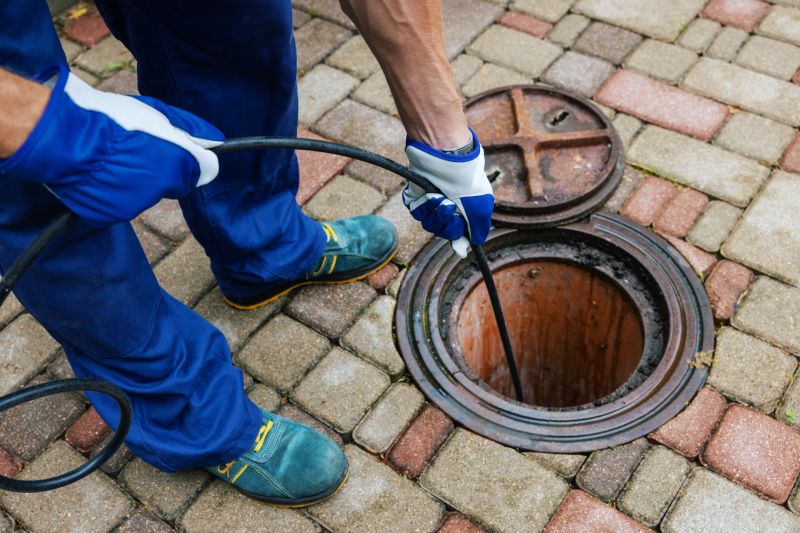
When comparing service providers for sewer line cleaning, it’s important to consider their experience with similar projects. Homeowners should seek out local contractors who have a proven track record of handling sewer line issues comparable to their specific situation. This can include understanding the types of clogging or damage commonly encountered in the area and demonstrating familiarity with the local plumbing systems and soil conditions. An experienced professional is more likely to identify underlying problems accurately and recommend effective solutions, helping to ensure the job is completed efficiently and thoroughly.
Clear, written expectations are essential when evaluating potential service providers. Homeowners should look for contractors who provide detailed descriptions of what the sewer line cleaning process entails, including the methods used and the scope of work. Having a transparent outline helps prevent misunderstandings and ensures that both parties are aligned on the project’s objectives. It’s also beneficial to request information about warranties or guarantees related to the work, which can serve as additional reassurance of the contractor’s confidence in their services.
Reputable references and good communication are key factors in selecting a reliable local contractor. Homeowners should ask for references or reviews from previous clients who had similar work done, providing insight into the contractor’s professionalism, punctuality, and quality of service. Effective communication throughout the process-such as prompt responses to questions and clear explanations of options-can make the experience smoother and more predictable. Ultimately, choosing a service provider with a strong reputation and open communication helps ensure that the sewer line cleaning project is completed to satisfaction.
Property owners use Sewer Line Cleaning services for practical projects around their homes and businesses. This guide focuses on everyday jobs and straightforward project options.
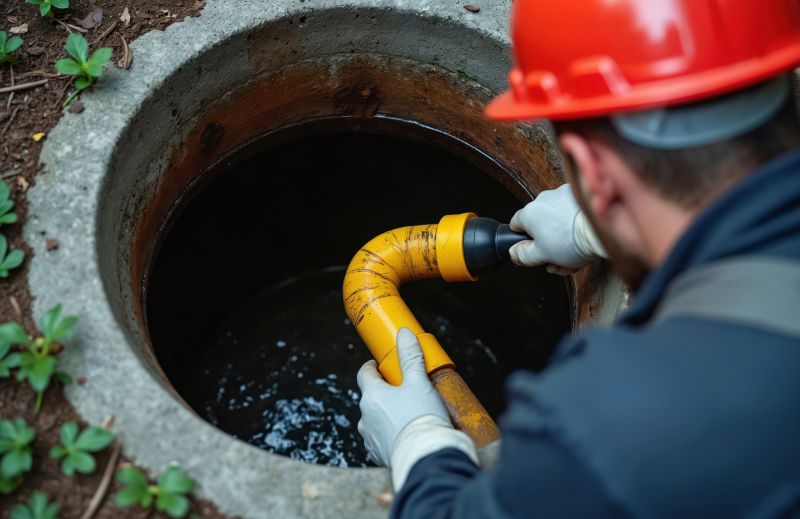
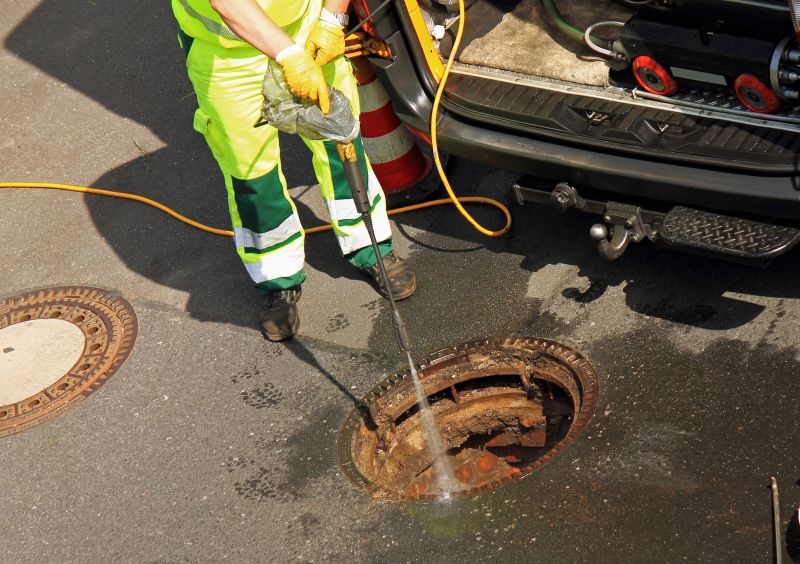
Sewer line cleaning is often needed when property owners notice slow drains, recurring clogs, or unpleasant odors coming from their plumbing system. Over time, debris, grease, and buildup can accumulate within sewer lines, leading to blockages that disrupt everyday activities and cause inconvenience. Local contractors specializing in sewer cleaning can help address these issues efficiently, ensuring that wastewater flows smoothly and reducing the risk of more serious plumbing problems down the line.
In addition to addressing existing drainage issues, property owners may seek sewer line cleaning as a preventative measure to maintain the health of their plumbing system. Regular cleaning can help prevent backups and costly repairs caused by stubborn blockages or root intrusion. Service providers in the area are equipped to handle a range of situations, from routine maintenance to emergency cleaning, helping residents keep their plumbing functioning properly and avoiding disruptions to daily routines.
What are the signs that a sewer line needs cleaning? Common indicators include persistent drain backups, foul odors, slow draining fixtures, or gurgling sounds in plumbing systems.
How do professional sewer line cleaning services work? Service providers typically use specialized equipment like hydro-jetters or augers to remove blockages and buildup inside the sewer pipes.
Is sewer line cleaning safe for my plumbing system? Yes, when performed by experienced service providers, sewer line cleaning methods are designed to effectively clear obstructions without damaging pipes.
What should I do to prepare for sewer line cleaning? It's advisable to clear access points and inform the service provider of any specific plumbing issues or previous problems.
How often should sewer lines be cleaned? The recommended frequency varies based on usage and pipe condition, but generally, every 1 to 3 years is suggested to prevent major issues.
Preventing Clogs - Regular sewer line cleaning can help property owners avoid blockages caused by debris or buildup that disrupt drainage.
Maintaining Drain Efficiency - Keeping sewer lines clear ensures sinks, toilets, and appliances drain properly during daily use.
Preparing for Renovations - Cleaning sewer lines before remodeling projects can reduce the risk of encountering obstructions or damage.
Addressing Odor Issues - Removing buildup in sewer lines can help eliminate unpleasant odors emanating from drains or plumbing fixtures.
If you are thinking about Sewer Line Cleaning for a property, this guide is meant to help you understand the work, the typical project types, and how different options might fit your plans.
When you are ready, you can use the quote form on this page to share a few details about your project. From there, local pros can review the basics and respond with options that match what you have in mind.