Septic System Relocation in Denver, CO
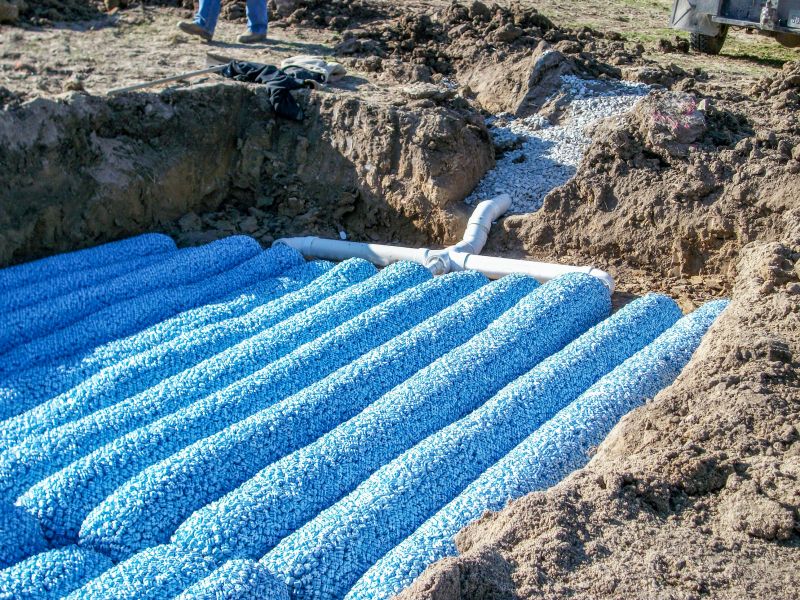
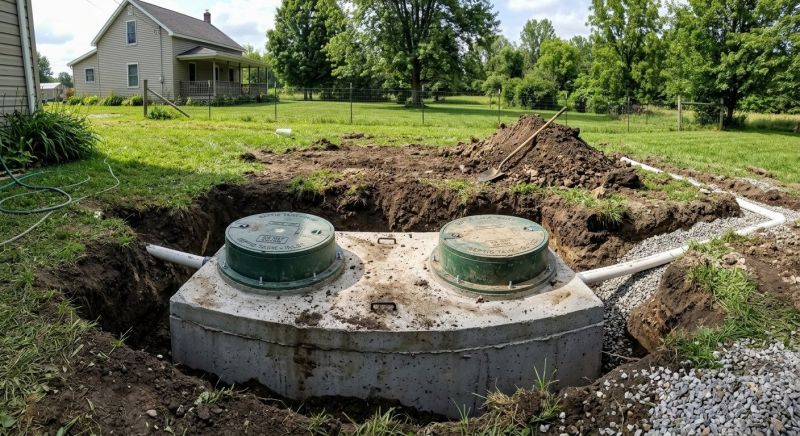
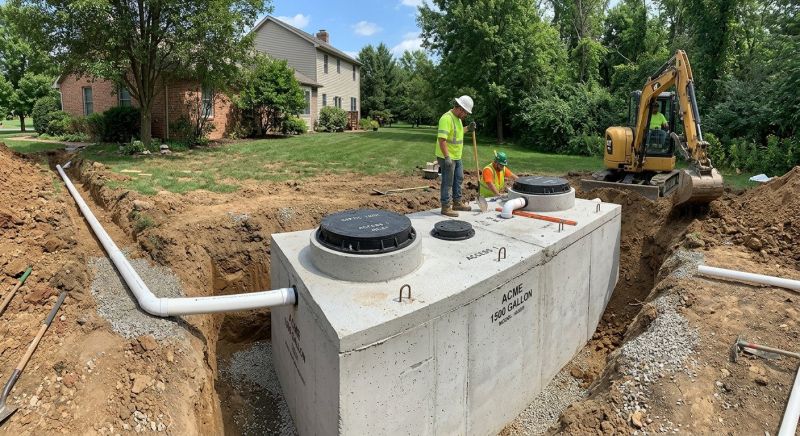
Septic system relocation services involve moving an existing septic system to a new site on a property, often to accommodate construction, landscaping, or property expansion projects. This process includes carefully excavating and disconnecting the current system, then installing it in a new location that meets local regulations and is suitable for future use. Projects typically cover residential properties where homeowners need to shift their septic system away from new structures, driveways, or other planned improvements, ensuring the system functions properly and remains compliant with local codes.
Property owners considering a septic system relocation should understand the importance of site assessment and proper planning before requesting the service. Factors such as soil conditions, property layout, and distance from wells or water sources are critical to determine the feasibility and best placement for the new system. It is also helpful to know existing system details, property boundaries, and any local regulations that may influence the relocation process. Gathering this information in advance can facilitate a smoother transition and help ensure the new installation meets all necessary requirements.
Many property owners in Denver, CO look into Septic System Relocation for repairs, replacements, upgrades, and appearance-related improvements.
Septic System Relocation Overview
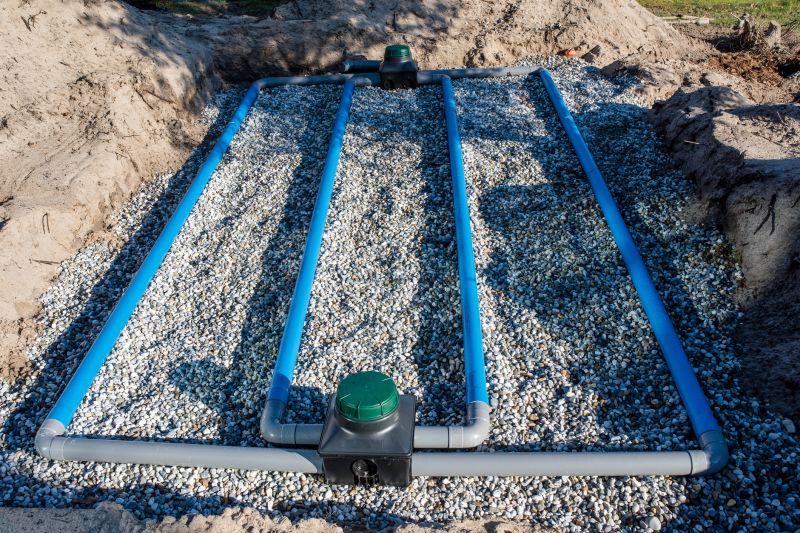
Relocating a septic system involves careful planning to ensure proper function and compliance with local regulations in denver.
Reasons For Septic System Relocation
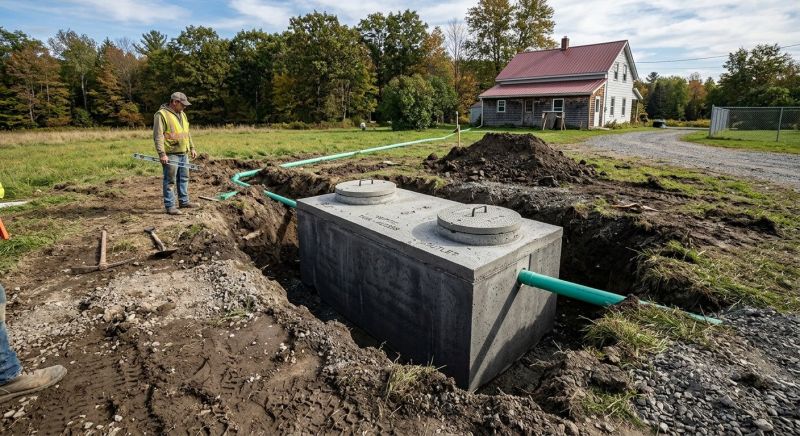
Property owners often move septic systems to accommodate new construction, improve accessibility, or address site limitations.
Considerations For Property Owners
Proper site assessment and adherence to denver's septic standards are essential for a successful system relocation.
Septic System Relocation in Denver, CO
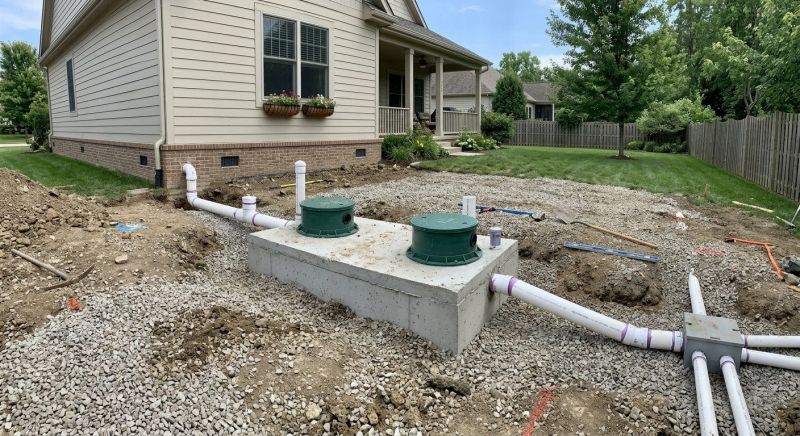
Septic system relocation services involve moving an existing septic system to a new site on a property, often to accommodate construction, landscaping, or property expansion projects. This process includes carefully excavating and disconnecting the current system, then installing it in a new location that meets local regulations and is suitable for future use. Projects typically cover residential properties where homeowners need to shift their septic system away from new structures, driveways, or other planned improvements, ensuring the system functions properly and remains compliant with local codes.
Property owners considering a septic system relocation should understand the importance of site assessment and proper planning before requesting the service. Factors such as soil conditions, property layout, and distance from wells or water sources are critical to determine the feasibility and best placement for the new system. It is also helpful to know existing system details, property boundaries, and any local regulations that may influence the relocation process. Gathering this information in advance can facilitate a smoother transition and help ensure the new installation meets all necessary requirements.
Many property owners in Denver, CO look into Septic System Relocation for repairs, replacements, upgrades, and appearance-related improvements.
Common Septic System Relocation Jobs
Septic System Relocation - Assists property owners in moving septic systems to accommodate construction or site changes.
Septic System Adjustment - Includes repositioning and reconfiguring existing septic components for improved functionality.
Septic Tank Replacement - Involves removing the old tank and installing a new system in a different location.
Septic Field Expansion - Adds additional drain field area to support increased property use or system upgrades.
Septic System Troubleshooting - Addresses issues related to system placement and performs necessary relocations.
Site Evaluation & Planning - Provides assessments to determine suitable new locations for septic systems on the property.
Septic System Relocation Questions
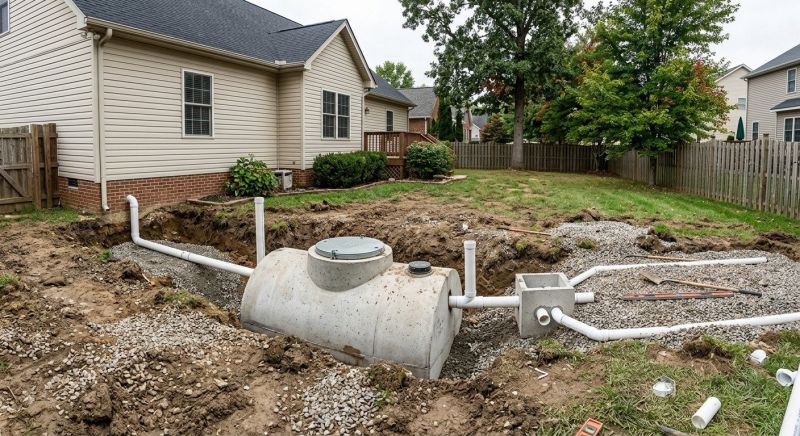
What is septic system relocation? It involves moving an existing septic system to a new location on a property to better suit construction or land use plans.
When is septic system relocation needed? Relocation is often required when building new structures, expanding property, or addressing issues with the current system placement.
What should property owners consider before relocating a septic system? Factors include site suitability, access for installation, and ensuring compliance with local regulations and setback requirements.
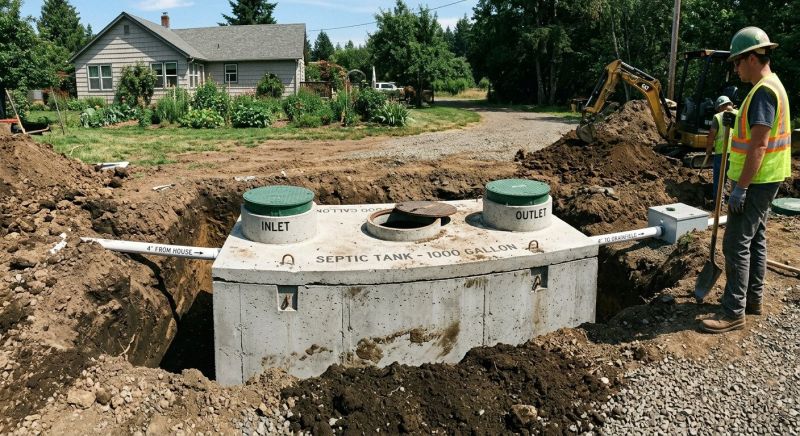
How does the relocation process typically work? It involves site assessment, planning, excavation, and connection of the new system, with careful attention to proper installation and system functioning.
Request Septic System Relocation in Denver, CO
Use the quote form on this page to share the basics of your project and request more information for the type of work you need.