Sewer Replacement in Denver, CO
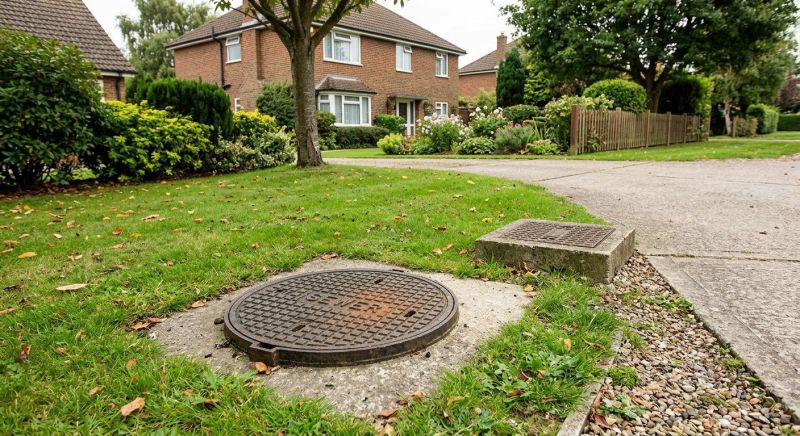
Sewer replacement services involve removing and installing new sewer lines to ensure proper waste removal and prevent costly backups or leaks. This type of project typically covers replacing aging or damaged sewer pipes, upgrading outdated infrastructure, or addressing issues caused by tree roots, corrosion, or ground shifting. Homeowners often request sewer replacement when experiencing frequent backups, foul odors, or visible signs of pipe deterioration, and they want to understand the scope of work, potential disruptions, and the benefits of modern piping materials.
Before requesting sewer replacement, property owners usually seek information about the condition of their existing sewer lines, including whether a professional inspection or camera survey is recommended. Understanding the extent of the damage, the types of pipe materials used, and the impact on landscaping or surrounding structures can help in planning the project. Clarifying the process, including excavation requirements and any necessary permits, ensures homeowners are prepared for what the project entails and can make informed decisions about their property's plumbing system.
Many property owners in Denver, CO look into Sewer Replacement for repairs, replacements, upgrades, and appearance-related improvements.
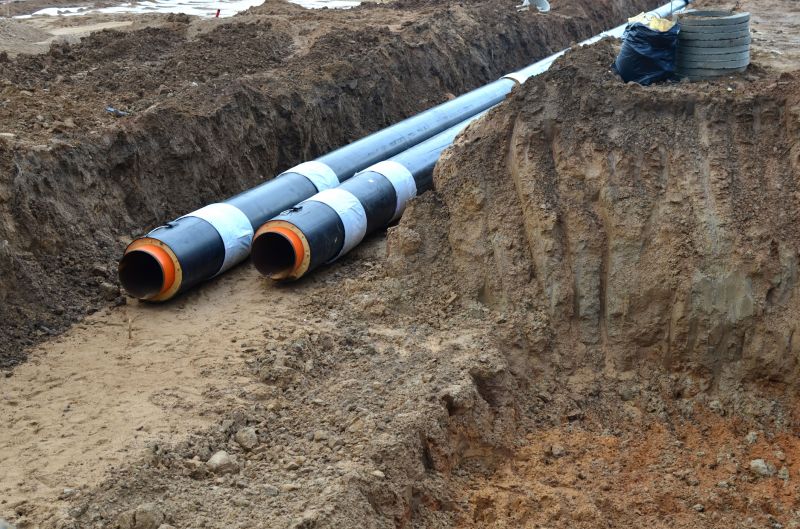
Signs You Need Sewer Replacement
Persistent backups, foul odors, or slow drains can indicate sewer system issues that require replacement.
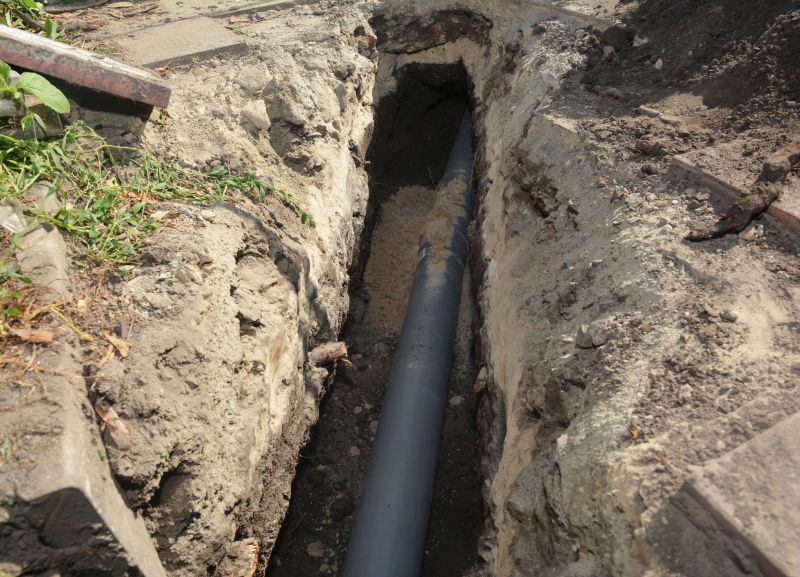
Benefits Of Sewer Replacement
Upgrading your sewer line can improve drainage, prevent property damage, and enhance overall home sanitation.
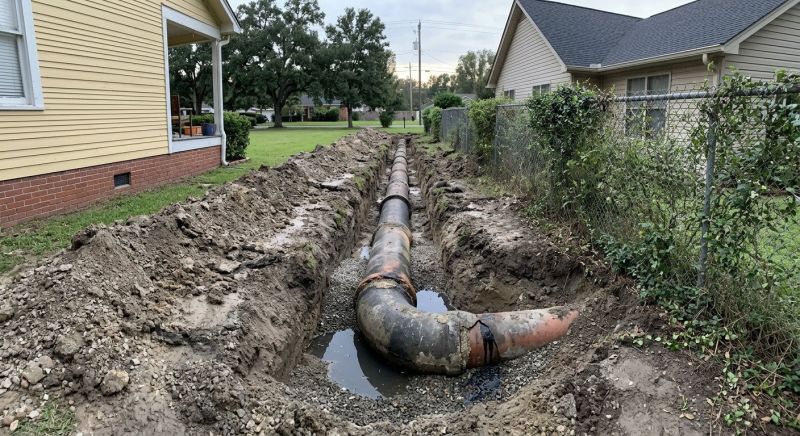
Common Sewer Replacement Projects
Services often include replacing aging pipes, repairing root intrusions, and upgrading to modern sewer systems in denver homes.
Sewer Replacement in Denver, CO
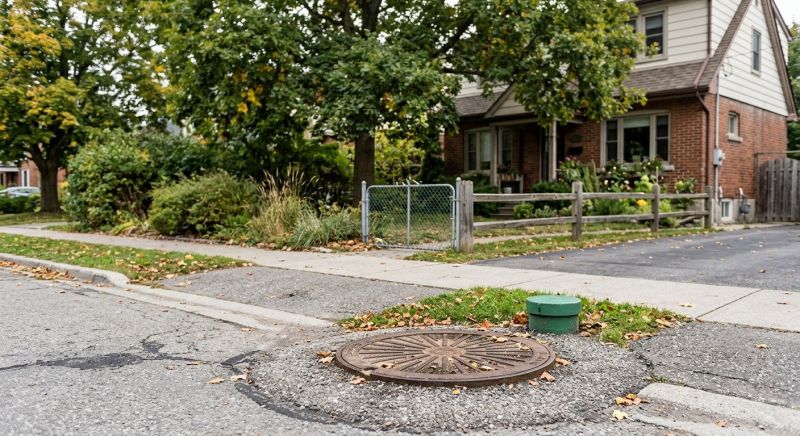
Sewer replacement services involve removing and installing new sewer lines to ensure proper waste removal and prevent costly backups or leaks. This type of project typically covers replacing aging or damaged sewer pipes, upgrading outdated infrastructure, or addressing issues caused by tree roots, corrosion, or ground shifting. Homeowners often request sewer replacement when experiencing frequent backups, foul odors, or visible signs of pipe deterioration, and they want to understand the scope of work, potential disruptions, and the benefits of modern piping materials.
Before requesting sewer replacement, property owners usually seek information about the condition of their existing sewer lines, including whether a professional inspection or camera survey is recommended. Understanding the extent of the damage, the types of pipe materials used, and the impact on landscaping or surrounding structures can help in planning the project. Clarifying the process, including excavation requirements and any necessary permits, ensures homeowners are prepared for what the project entails and can make informed decisions about their property's plumbing system.
Many property owners in Denver, CO look into Sewer Replacement for repairs, replacements, upgrades, and appearance-related improvements.
Common Sewer Replacement Jobs
Sewer Replacement - involves removing and replacing aging or damaged sewer lines to restore proper flow.
Full Sewer Line Replacement - replaces entire sewer lines that are severely cracked, collapsed, or heavily corroded.
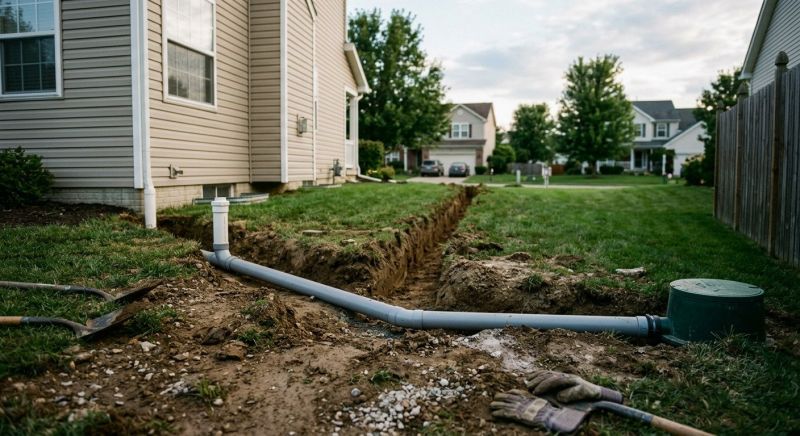
Trenchless Sewer Repair - minimizes surface disruption by using innovative methods to repair or replace sewer lines underground.
Sectional Sewer Replacement - replaces specific damaged segments of sewer pipes without removing the entire line.
Sewer Line Upgrades - updates existing sewer systems to meet current codes and improve flow efficiency.
Emergency Sewer Replacement - addresses urgent sewer failures to prevent property damage and restore sanitation quickly.
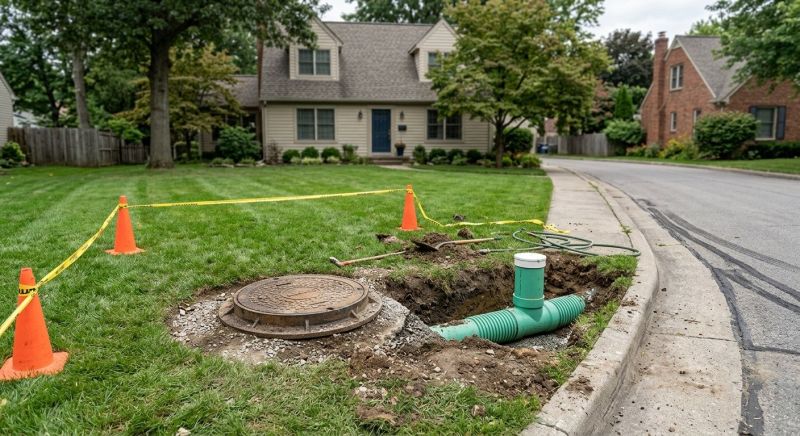
Sewer Replacement Questions
When is sewer replacement necessary? Sewer replacement may be needed if there are persistent clogs, sewage backups, or signs of pipe deterioration such as cracks or pooling water around the foundation.
What types of sewer replacement options are available? Common options include trenchless methods and traditional excavation, chosen based on pipe condition and property layout.
How can property owners prepare for sewer replacement? Preparation typically involves clearing access points and informing residents about potential disruptions during the work.
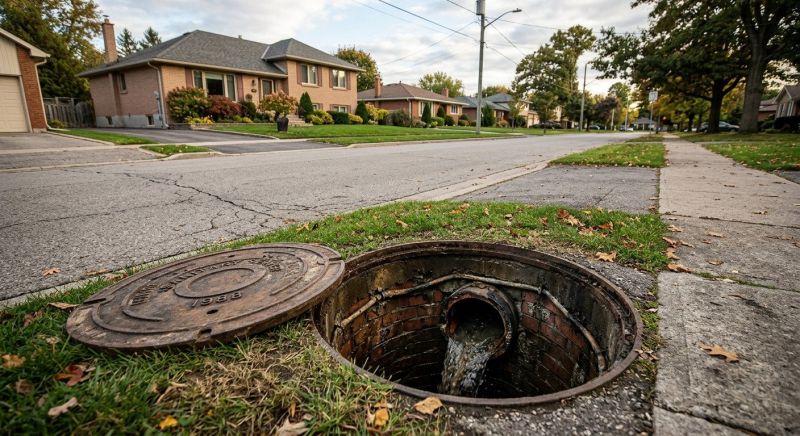
What signs indicate a sewer line may be failing? Signs include foul odors, slow drains, frequent backups, or unexplained lush patches of grass or pooling water in the yard.
Request Sewer Replacement in Denver, CO
Use the quote form on this page to share the basics of your project and request more information for the type of work you need.